If you can describe it and it fits in a shoebox, it can probably be printed. Here are the kinds of things people order, real examples from makers on 3D Hub Plus, and the limits worth knowing before you ask.
Fix and replace
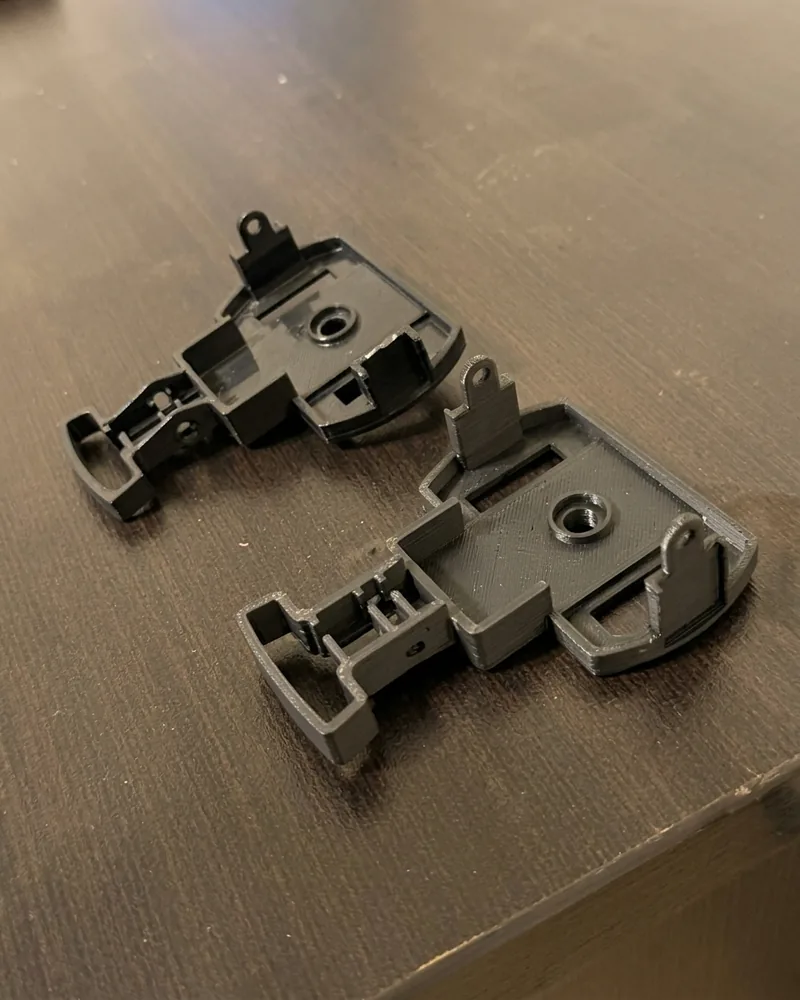 Replacement brackets, printed by a 3D Hub Plus maker.
A clip snaps, a knob goes missing, a manufacturer stops selling the part. A maker can copy it from the broken piece, a photo with a ruler in it, or the measurements you give.
Ideas: appliance knobs and feet, battery covers, vacuum and blind clips, shelf brackets, toy parts, car interior trim, drawer runners.
Tip: photograph the broken part next to a ruler, and say what it attaches to. If it takes heat (a car, a dishwasher) or load (a shelf bracket), say so, so the maker picks a tougher plastic.
Gifts and decor
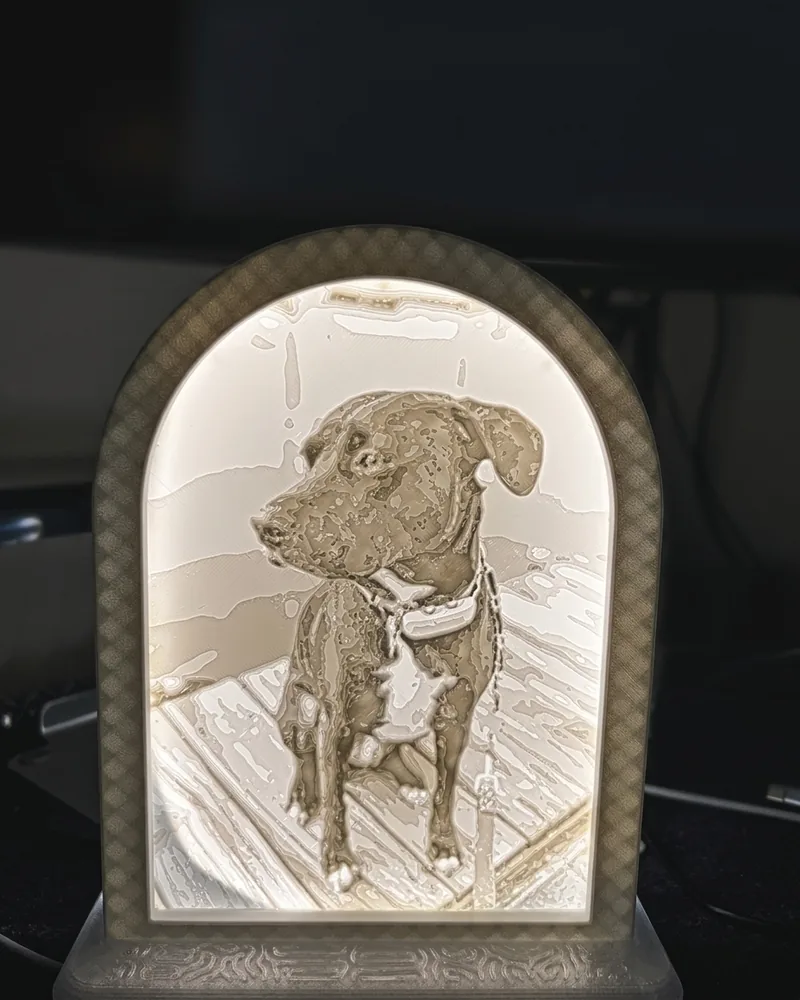 A photo lamp: the picture appears when the light behind it is on. Printed by a 3D Hub Plus maker.
Ideas: photo lamps (lithophanes), name plates, ornaments, planters, a figure of a pet, cookie cutters from a child's drawing, wall art.
Some of these are ready-made in the shop or on the From your photo page, where you choose a photo and see the result before you order.
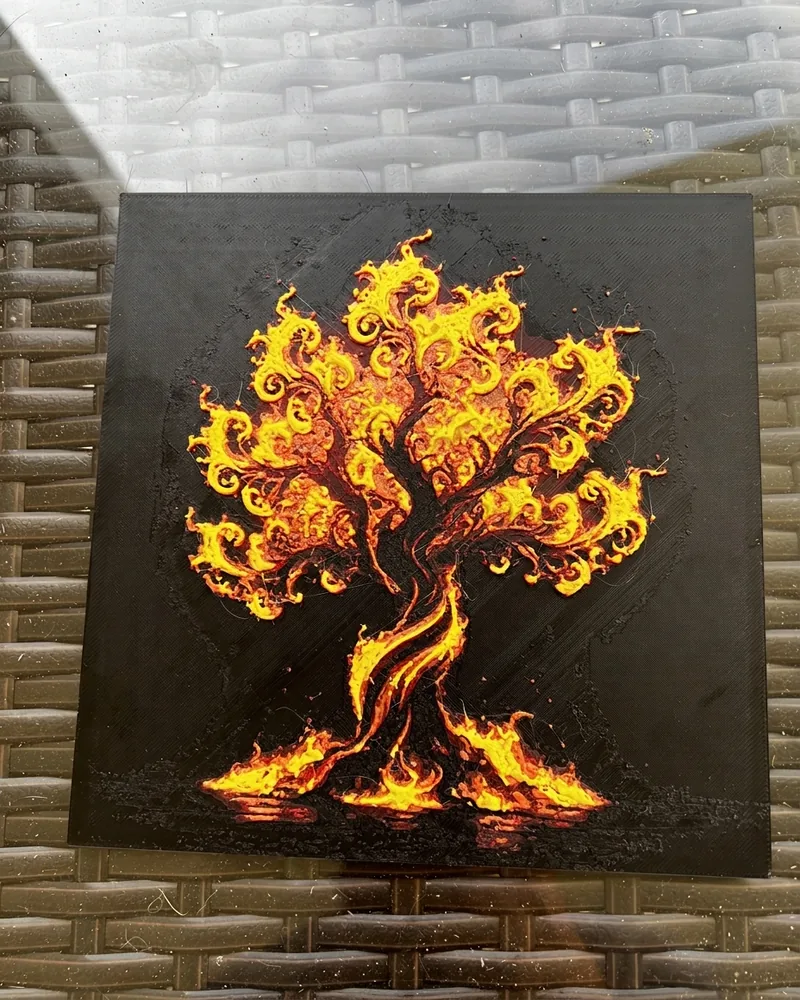 Multi-colour printing: one panel, printed in several colours. Printed by a 3D Hub Plus maker.
Figures and collectibles
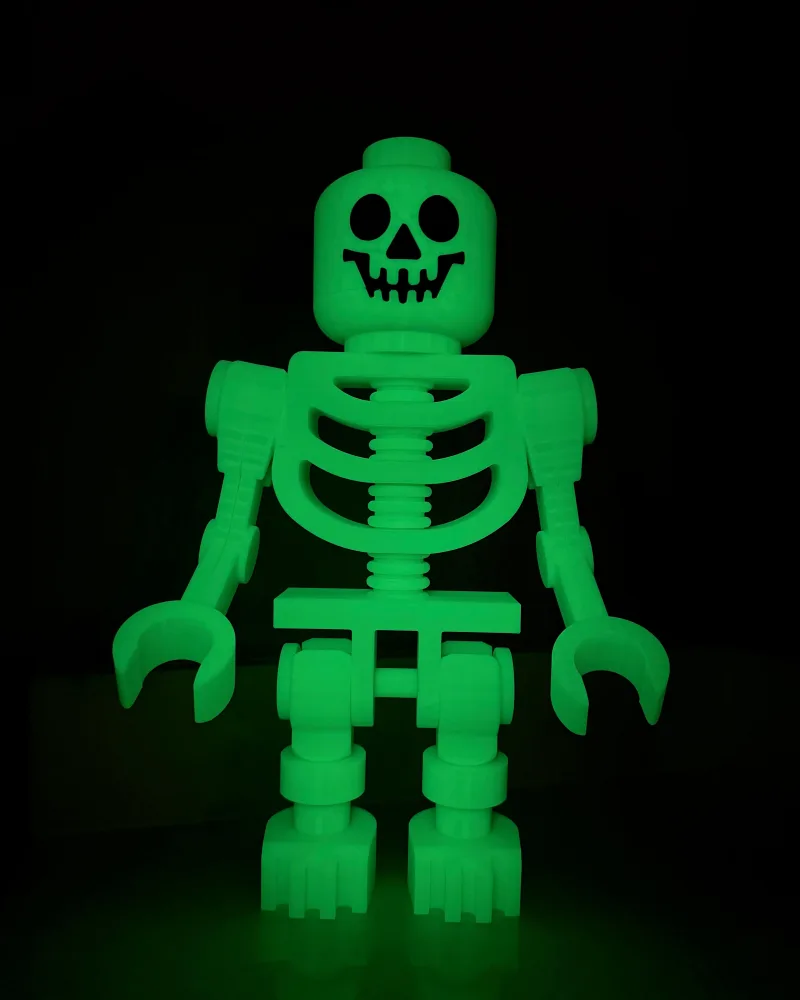 A glow-in-the-dark skeleton figure. Printed by a 3D Hub Plus maker.
Ideas: tabletop miniatures, statues, characters, busts, a figure from a photo of a person or pet, cosplay props and armour.
Fine detail (faces, fingers, lettering) is what resin printers do best. Larger figures and props are usually printed in filament. A figure can come in one color, several printed colors, hand-painted by the maker, or unpainted for you to paint yourself.
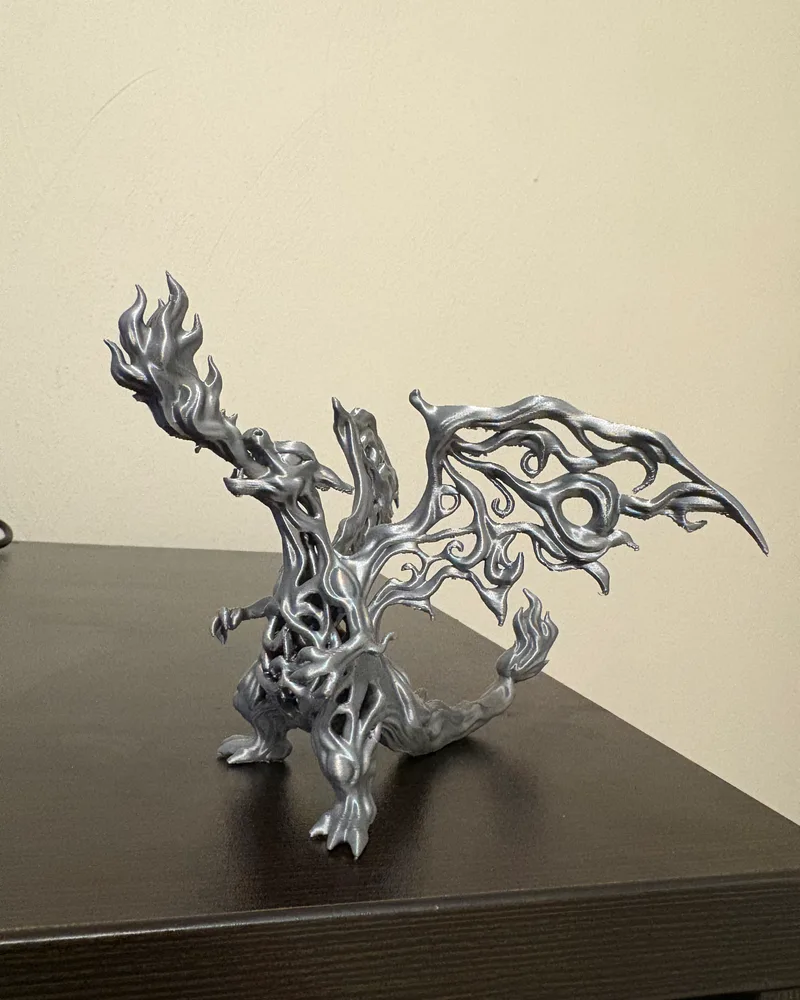 A silver display dragon. Printed by a 3D Hub Plus maker.
Cases, mounts and organisers
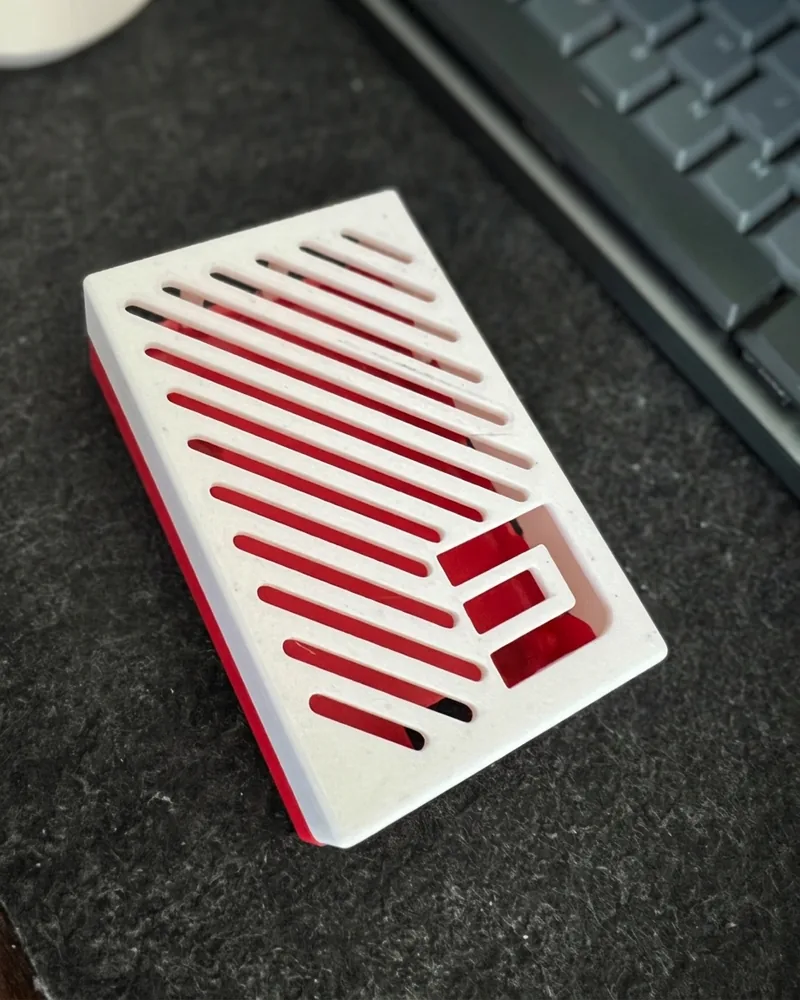 A case made to fit one circuit board. Printed by a 3D Hub Plus maker.
Ideas: a case for a Raspberry Pi or a project board, a wall mount for a speaker or router, cable holders, drawer inserts sized to your drawer, a stand for a tablet or controller, tool holders.
The big advantage over buying: it is made to your measurements.
Working parts and prototypes
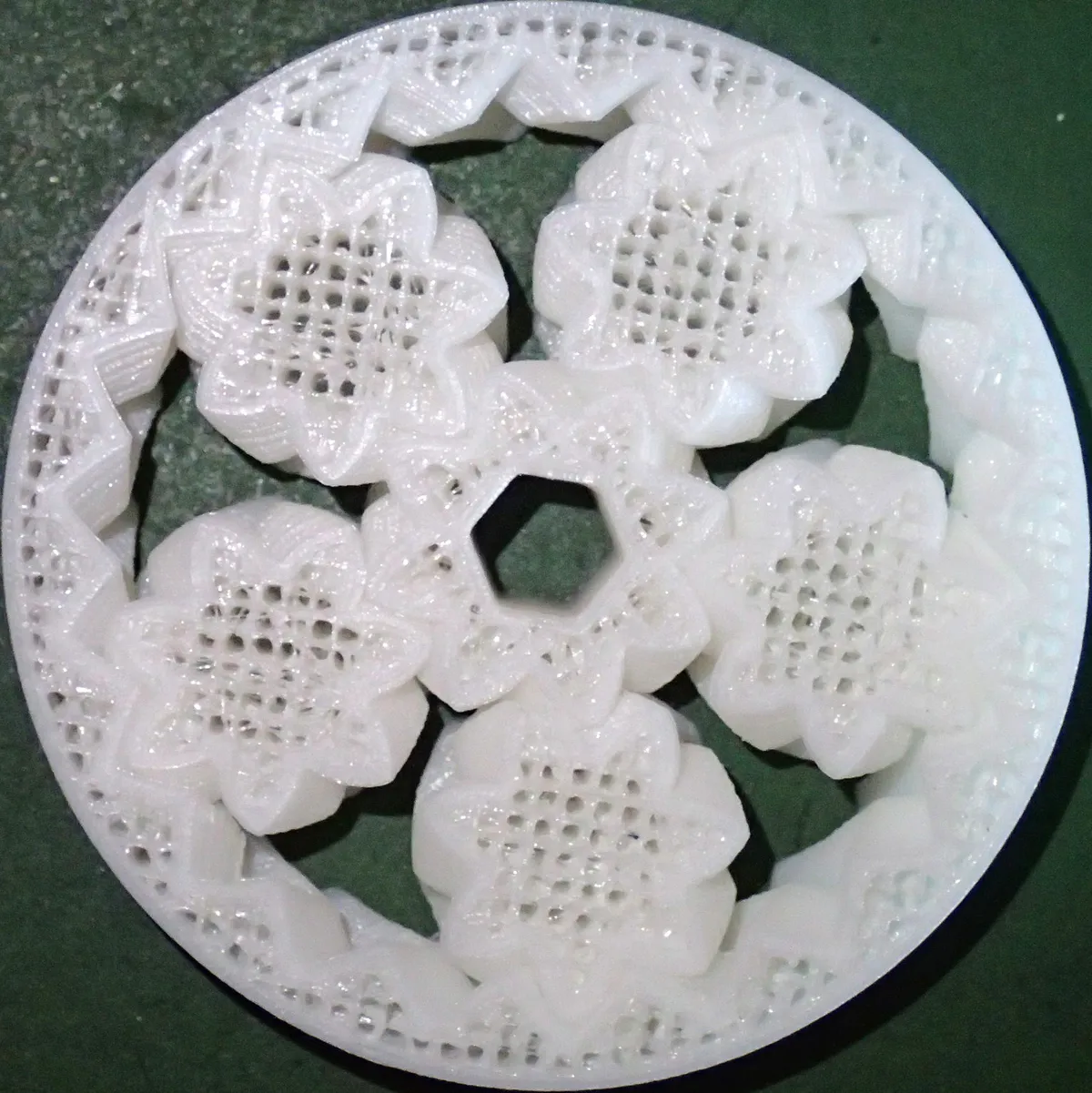 Gears can be printed working and assembled. Photo: Robbie Sproule, CC BY 2.0, via Wikimedia Commons.
Ideas: gears, hinges, jigs and fixtures for a workshop, robot parts, the first version of a product idea to hold and test before paying for a mould.
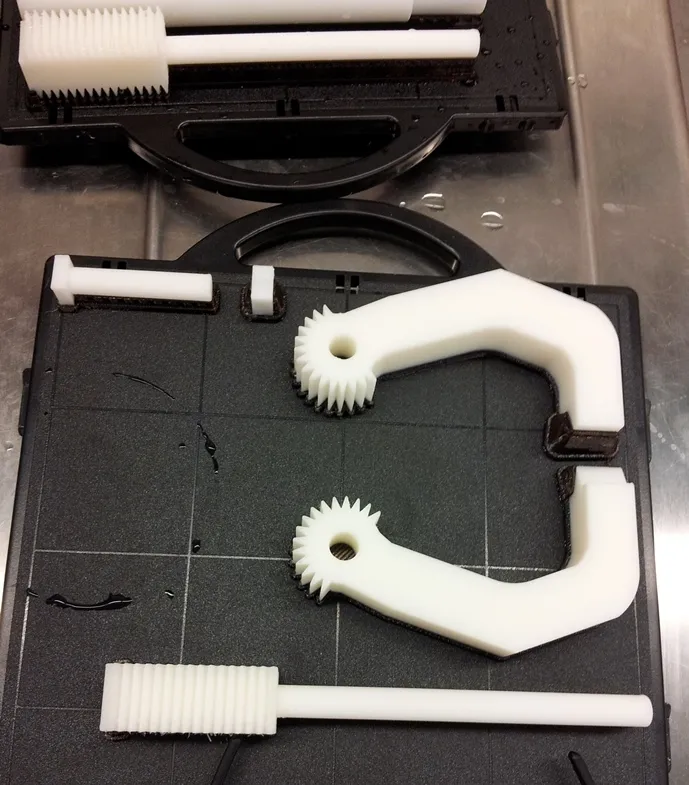 A working gripper with printed gears and arms. Photo: Simiprof, CC0, via Wikimedia Commons.
For parts that must fit something else, give the measurements that matter ("the hole must take an 8 mm bolt") or upload a CAD file (STEP is best).
What 3D printing is not good at
Being clear about this saves you time:
- Food and drink. A print is not food safe without special steps, and we do not offer certified food-safe printing. See Is a 3D print food safe?
- Metal, glass, ceramic or wood. Prints are plastic. Some filaments look like metal or wood, but they are still plastic.
- Clear like glass. Clear plastics print cloudy, not see-through.
- Very hot places. Everyday PLA softens in a hot car (from about 55 °C). Tougher plastics such as ABS and ASA cope; tell the maker where the part will live.
- Mass production. One to a few hundred is where 3D printing makes sense. For thousands, a factory mould becomes cheaper.
- Huge single pieces. Most of the printers our makers run build up to about 25 cm on a side. Bigger items are printed in parts and joined.
- Copies of branded products. Makers can turn down a request to copy a trademarked or copyrighted item.
Not sure if yours is possible?
Ask. Describe it in your own words, add a photo if you have one, and makers reply with a quote or a question. It costs nothing to ask.