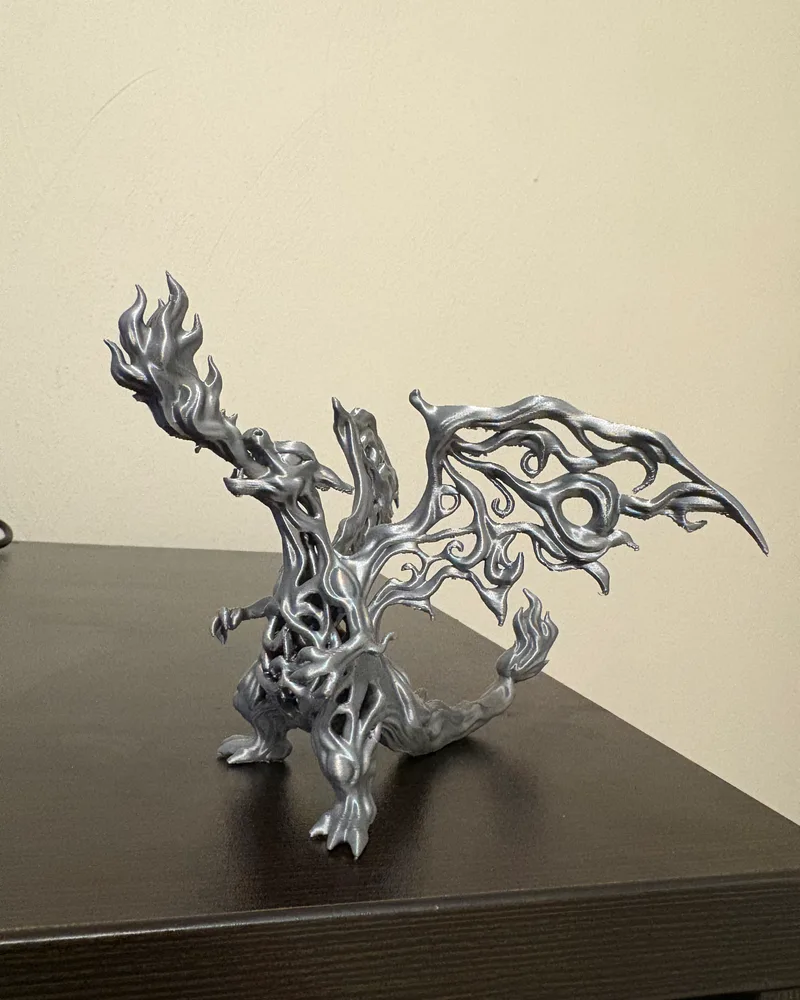
You do not need to know anything about 3D printing to order a print here. You do not need a printer, design software or a 3D file. This page covers the basics in about five minutes, so you know what to ask for and what to expect.
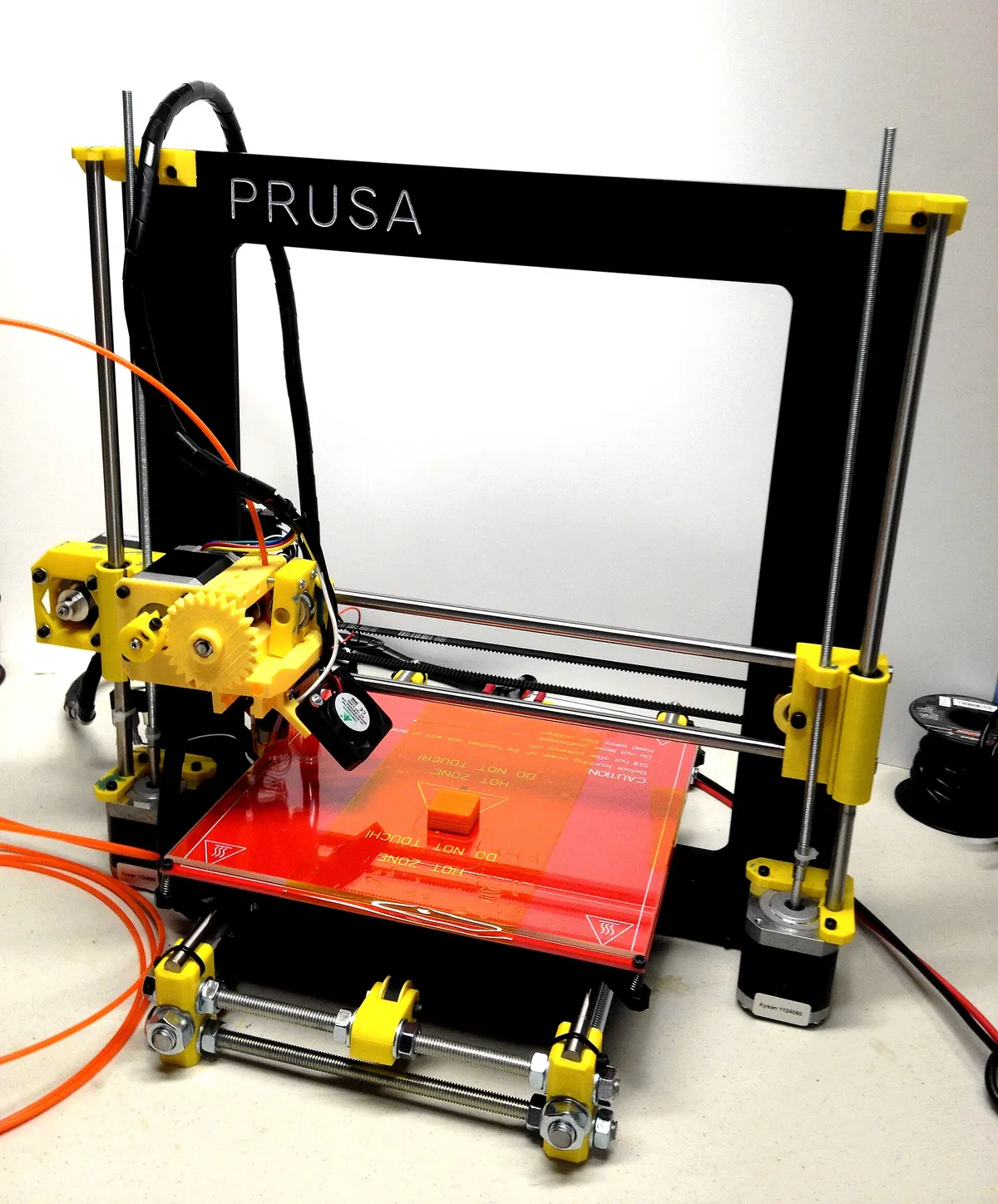 A filament 3D printer, the most common kind. The print head moves over the flat bed and builds the object up layer by layer. Photo: John Abella, CC BY 2.0, via Wikimedia Commons.
What 3D printing is, in one paragraph
A 3D printer builds an object one thin layer at a time, from the bottom up. Most home and small-workshop printers melt a plastic thread (called filament) and lay it down like a very precise hot-glue gun. Others cure a liquid resin with light, which gives finer detail. Each layer is a fraction of a millimetre thick, so a 10 cm figure is several hundred layers stacked on top of each other. How 3D printing works explains both methods with pictures.
What people order here
Some of the things our makers have printed:
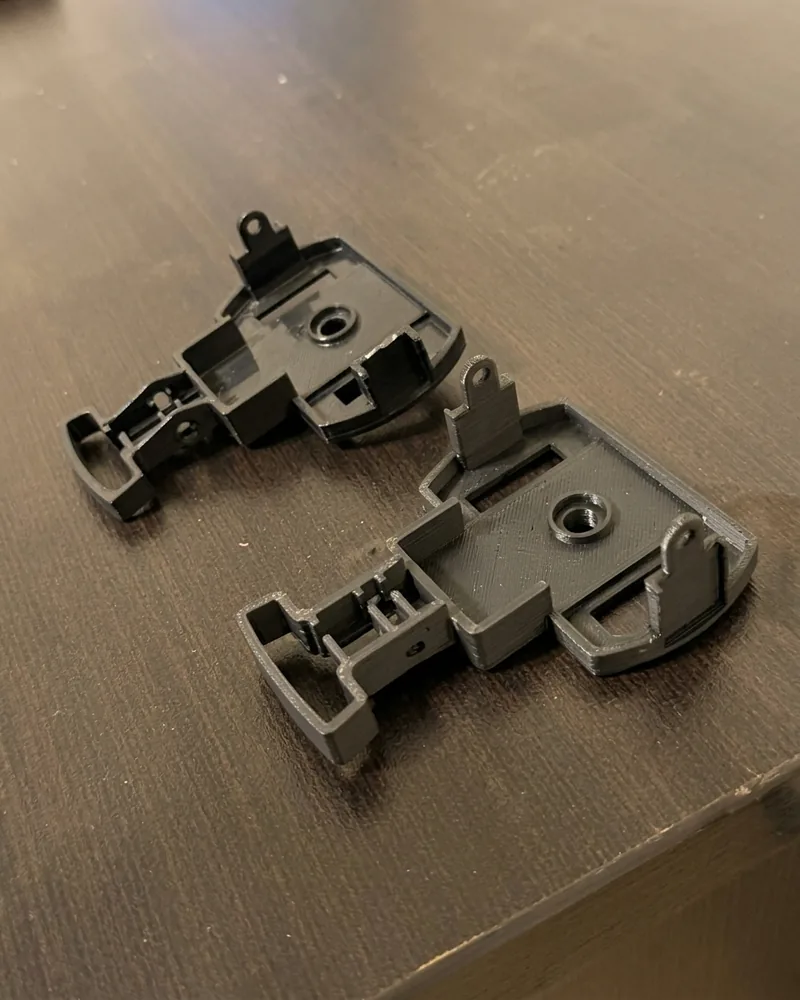 A replacement bracket, printed by a 3D Hub Plus maker.
- Replacement parts: a broken clip, knob, bracket, battery cover or appliance part that is no longer sold.
- Gifts and decor: photo lamps, name signs, ornaments, planters, a figure of a pet.
- Figures and collectibles: game miniatures, statues, characters, cosplay props.
- Cases, mounts and organisers: a box for an electronics project, a wall mount, a drawer insert sized to your drawer.
- Prototypes: a first version of a product idea to hold in your hand before paying for a factory mould.
What can you 3D print? has more examples, with photos, and the things 3D printing is not good at.
What you need to start
One of these three is enough:
- A 3D file (STL, OBJ, 3MF or STEP), if you have one or downloaded one. You see the part's size and a starting price straight away.
- A photo of the thing you want, or of the broken part you want replaced. Add a coin or a ruler in the picture so the maker can see the size.
- A few words. "A wall hook that holds a bike, white" is a real request. Makers ask questions if they need more.
If you have no file, a maker designs the part for you as well as printing it. No 3D file? How to order from a photo or a description walks through it.
How an order goes
- Tell us what you want on the quote page. It is free, and you can do it without an account.
- Verified makers send quotes. Each quote has a price, a delivery date and often a question or two. Most requests get a first quote the same day.
- Pick a maker and pay. Your payment is held by the platform and only released to the maker after delivery, as set out in our Order Protection policy.
- Approve photos before it ships. On a custom job the maker photographs the finished print and you approve it, or ask for changes, before anything is posted.
- It arrives. You get tracking, and you can report a problem from your order page after delivery.
The full step-by-step, with every deadline, is in From upload to delivery.
What it costs
The price depends mostly on how big the part is, how much plastic it uses and how long it takes to print, plus design time if a maker has to model it for you. A small, simple part costs far less than a large solid one. You see the maker's full price before you pay, plus one service fee shown at checkout. The current fee and the minimum job size are on the Pricing page. What affects the price explains how to get a lower quote.
How long it takes
Printing itself takes hours, not days, but each maker sets a delivery date on the quote that includes their queue and finishing. Shipping is domestic: marketplace jobs are matched to makers in your own country, and the shop ships within the United States.
Five words you will see in quotes
- PLA, PETG, resin: the material. PLA is the everyday plastic and suits most indoor items. See the materials guide.
- Layer height: how thick each layer is. Thinner layers give smoother surfaces but take longer.
- Infill: how solid the inside is. Most prints are partly hollow inside, which saves plastic and money without making them weak.
- Supports: temporary scaffolding printed under overhangs and snapped off afterwards.
- Post-processing: anything done after printing, such as removing supports, sanding or painting.
More in 3D printing words, explained.
A few honest limits
- 3D prints are plastic. They are not metal, glass or ceramic, and they are not for food or drink without special steps; see Is a 3D print food safe?.
- Very thin or very tiny details may not print, and very large items are printed in parts and joined.
- Everyday plastic (PLA) softens in a hot car. Tell the maker where the part will live, and they will suggest the right material.
Ready? Describe what you want and see what makers suggest. Asking costs nothing.